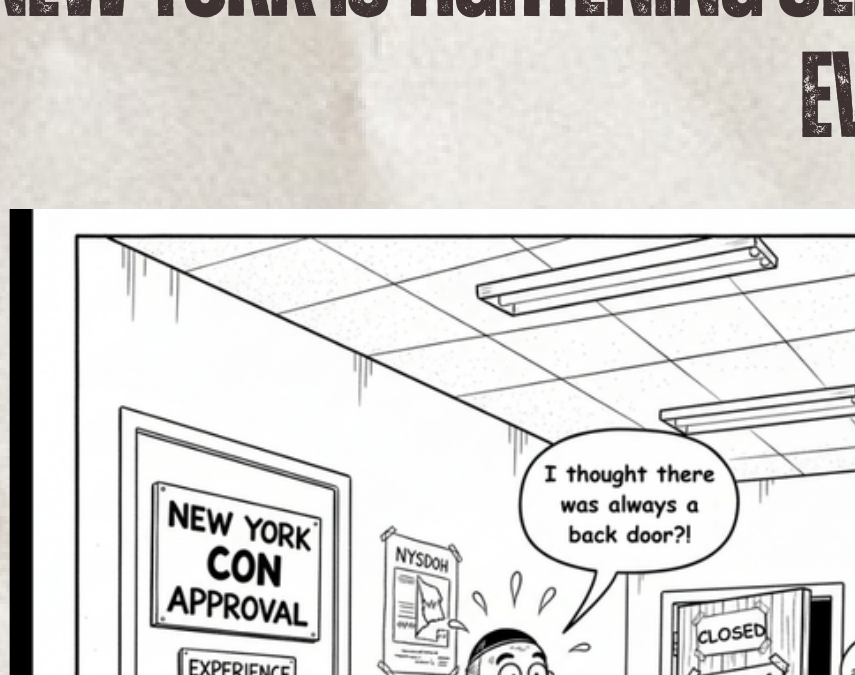
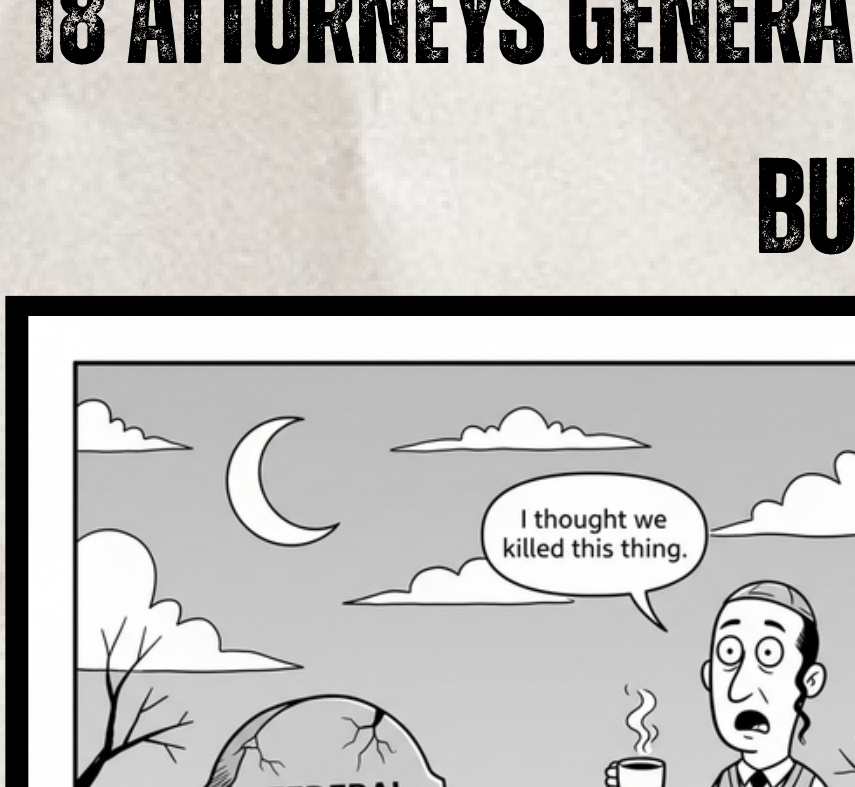
Here's a fun paradox: the federal government is pulling back on nursing home oversight , repealing the staffing mandate, closing six of ten HHS regional legal offices (including New York's), and cutting 20,000 HHS employees. Meanwhile, New York is going in the exact opposite direction.
The state's Public Health and Health Planning Council , the body that approves nursing home ownership changes , has been getting noticeably aggressive about who gets to buy facilities. Earlier this year they initially rejected three applications from for-profit operators trying to take over county-owned and nonprofit buildings. Eventually approved them, but not before putting applicants through a level of questioning that made industry lawyers nervous. The issue? The potential buyers had "minimal experience" actually owning nursing homes. In June 2025, PHHPC formed a whole new committee specifically to reform the CON process and tighten the screws.
But here's the part that should really get your attention if you're doing deals in New York: they're going after consulting arrangements.
You know the move. Everybody knows the move. Buyer doesn't have enough operating experience to pass the "character and competence" test, so they sign a management or consulting agreement with an experienced operator. On paper, the experienced group is "advising" the new owner. In practice, the new owner just rented someone else's credibility to get past the approval committee.
PHHPC has figured this out. The ad hoc committee is now specifically examining consulting agreements and related party transactions , especially "administrative or back-office functions" , because they're concerned these arrangements let inexperienced buyers backdoor their way into approval without actually having the skills to run the building. They're also looking at whether operators are using related party deals to move money around in ways that undermine financial transparency.
And it doesn't stop at the front door. New York also published regulations requiring PHHPC to look at the percentage of nursing homes in your entire portfolio with a 2-star or lower rating. So it's not just "can you run a building" , it's "how are your other buildings doing right now." If half your portfolio is rated poorly, that's going to follow you into the hearing room.
For operators in the Orthodox community , where deals regularly involve newer investment groups acquiring facilities from legacy owners, and where consulting arrangements with experienced operators are a standard part of the playbook , this is a direct hit. The structure that's worked for years is exactly the structure New York is now scrutinizing.
Build extra time into your New York deal timelines. CON approval is no longer a formality. And that consulting agreement you were counting on to check the experience box? PHHPC is reading the fine print now.